Transforming Guyana's Energy Landscape with LPG Innovations
- T.Bhagwandin
- Dec 11, 2025
- 4 min read
Updated: Dec 15, 2025
Guyana is on the brink of a significant transformation in its energy landscape, driven by the adoption of Liquefied Petroleum Gas (LPG) innovations. As the country experiences rapid economic growth, largely fueled by its burgeoning oil sector, the need for sustainable and efficient energy solutions has never been more pressing. LPG, known for its versatility and lower environmental impact compared to traditional fossil fuels, is emerging as a key player in this transition.
In this blog post, we will explore how LPG innovations are reshaping Guyana's energy sector, the benefits they bring, and the challenges that lie ahead.

Understanding LPG and Its Role in Energy Transition
Liquefied Petroleum Gas is a mixture of propane and butane, both of which are derived from natural gas processing and crude oil refining. LPG is stored under pressure in liquid form and can be easily transported and used for various applications, including cooking, heating, and powering vehicles.
Benefits of LPG
Environmental Impact: LPG burns cleaner than other fossil fuels, producing fewer greenhouse gas emissions. This makes it an attractive option for countries like Guyana, which are looking to reduce their carbon footprint.
Energy Efficiency: LPG has a high energy content, meaning it can produce more energy per unit than other fuels. This efficiency translates into lower energy costs for consumers and businesses.
Versatility: LPG can be used in various sectors, including residential, commercial, and industrial applications. Its adaptability makes it a valuable resource for a growing economy.
Energy Security: By diversifying its energy sources with LPG, Guyana can reduce its reliance on imported fuels, enhancing its energy security and stability.
The Current Energy Landscape in Guyana
Historically, Guyana has relied heavily on hydroelectric power and imported fossil fuels to meet its energy needs. However, with the recent discovery of significant oil reserves, the country is poised for a dramatic shift in its energy dynamics.
Challenges Faced
Despite the promising outlook, several challenges must be addressed to fully realize the potential of LPG in Guyana:
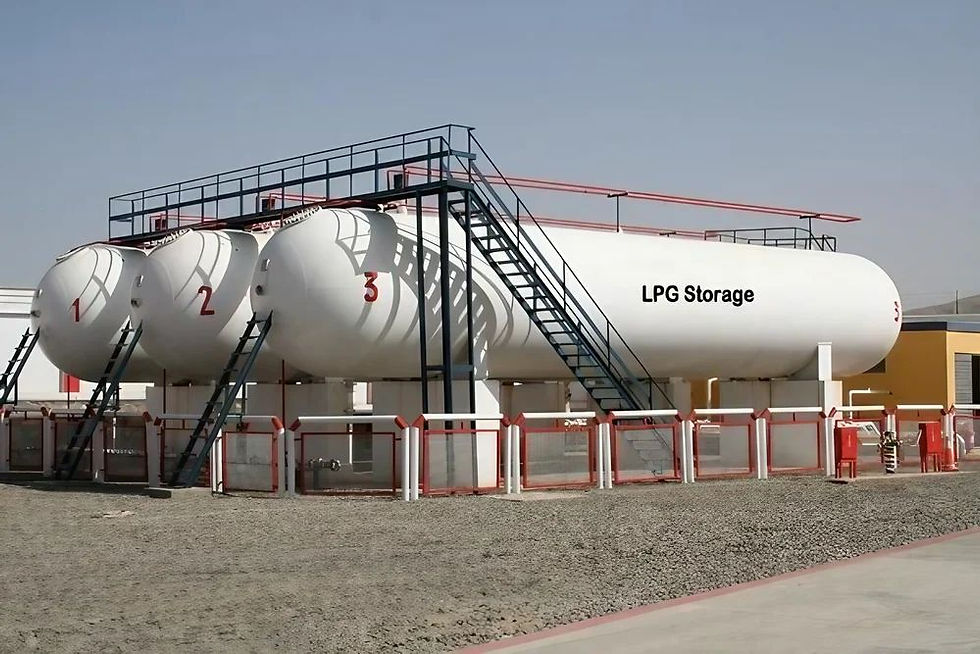
Infrastructure Development: The current infrastructure for LPG distribution and storage is limited. Significant investment is needed to build the necessary facilities to support widespread LPG use.
Public Awareness: Many residents are unfamiliar with LPG and its benefits. Educational campaigns are essential to inform the public about the advantages of switching to LPG.
Regulatory Framework: Establishing a robust regulatory framework is crucial to ensure safety and efficiency in the LPG market. This includes standards for storage, transportation, and usage.
Innovations Driving LPG Adoption
Innovations in technology and distribution are paving the way for LPG to become a cornerstone of Guyana's energy strategy.
Smart LPG Solutions
The integration of smart technology into LPG systems is revolutionizing how the fuel is managed and consumed. Smart meters and IoT devices allow for real-time monitoring of LPG usage, helping consumers optimize their consumption and reduce waste.
Mobile LPG Distribution
Mobile distribution units are becoming increasingly popular in remote areas of Guyana. These units can deliver LPG directly to consumers, ensuring access even in regions without established infrastructure. This approach not only enhances convenience but also promotes the adoption of cleaner energy sources.
LPG in Transportation
The transportation sector is another area where LPG innovations are making a significant impact. LPG-powered vehicles produce fewer emissions than their gasoline or diesel counterparts, contributing to cleaner air in urban areas. As more drivers switch to LPG, the demand for this fuel is expected to rise.
Case Studies of LPG Implementation
Several countries have successfully integrated LPG into their energy systems, providing valuable lessons for Guyana.
Brazil's LPG Program
Brazil has implemented a comprehensive LPG program that includes subsidies for low-income households, making it an affordable energy source. This initiative has led to a significant increase in LPG adoption, particularly in rural areas.
Mexico's LPG Strategy
Mexico has focused on expanding its LPG infrastructure, including storage facilities and distribution networks. This investment has resulted in a more reliable supply of LPG, encouraging its use across various sectors.
The Future of LPG in Guyana
As Guyana continues to develop its oil resources, the integration of LPG into its energy mix will be crucial for sustainable growth.
Government Initiatives
The Guyanese government is already taking steps to promote LPG use, including partnerships with private companies to enhance infrastructure and distribution networks. These initiatives are expected to create a more favorable environment for LPG adoption.
Community Engagement
Engaging local communities in the transition to LPG is vital. By involving residents in the planning and implementation of LPG projects, the government can ensure that the benefits of this energy source are widely shared.
Conclusion
The transformation of Guyana's energy landscape through LPG innovations presents an exciting opportunity for sustainable development. By embracing this cleaner, more efficient fuel, the country can reduce its environmental impact, enhance energy security, and support economic growth.
As Guyana moves forward, it is essential to address the challenges of infrastructure, public awareness, and regulation to fully harness the potential of LPG. With the right strategies in place, Guyana can lead the way in the Caribbean towards a more sustainable energy future.
The journey towards a cleaner energy landscape is not just about adopting new technologies; it is about building a resilient and inclusive energy system that benefits all Guyanese. The time to act is now.

Comments